Injection molds are made from a variety of different materials depending on the specific application. Some molds may be subjected to considerable heat, pressure, and wear during the production process…
Mold Steel Overview Injection molds utilize a variety of materials depending on the specific application. Some molds withstand considerable heat, pressure, and wear during the molding process and must have a long enough service life to withstand millions of mold cycles; others are used only for prototyping or as transitional molds. Choosing the right mold material is crucial for achieving the desired function and service life. The best molds are designed according to the specific application requirements of the customer, and selecting the right mold steel is a crucial first step in this process.
Below are some of the most commonly used mold steels—P20, H13, S7, 420 stainless steel, D2, 4140, and copper alloys. Each material has its own advantages, disadvantages, and applications, which will be discussed in detail in this guide.
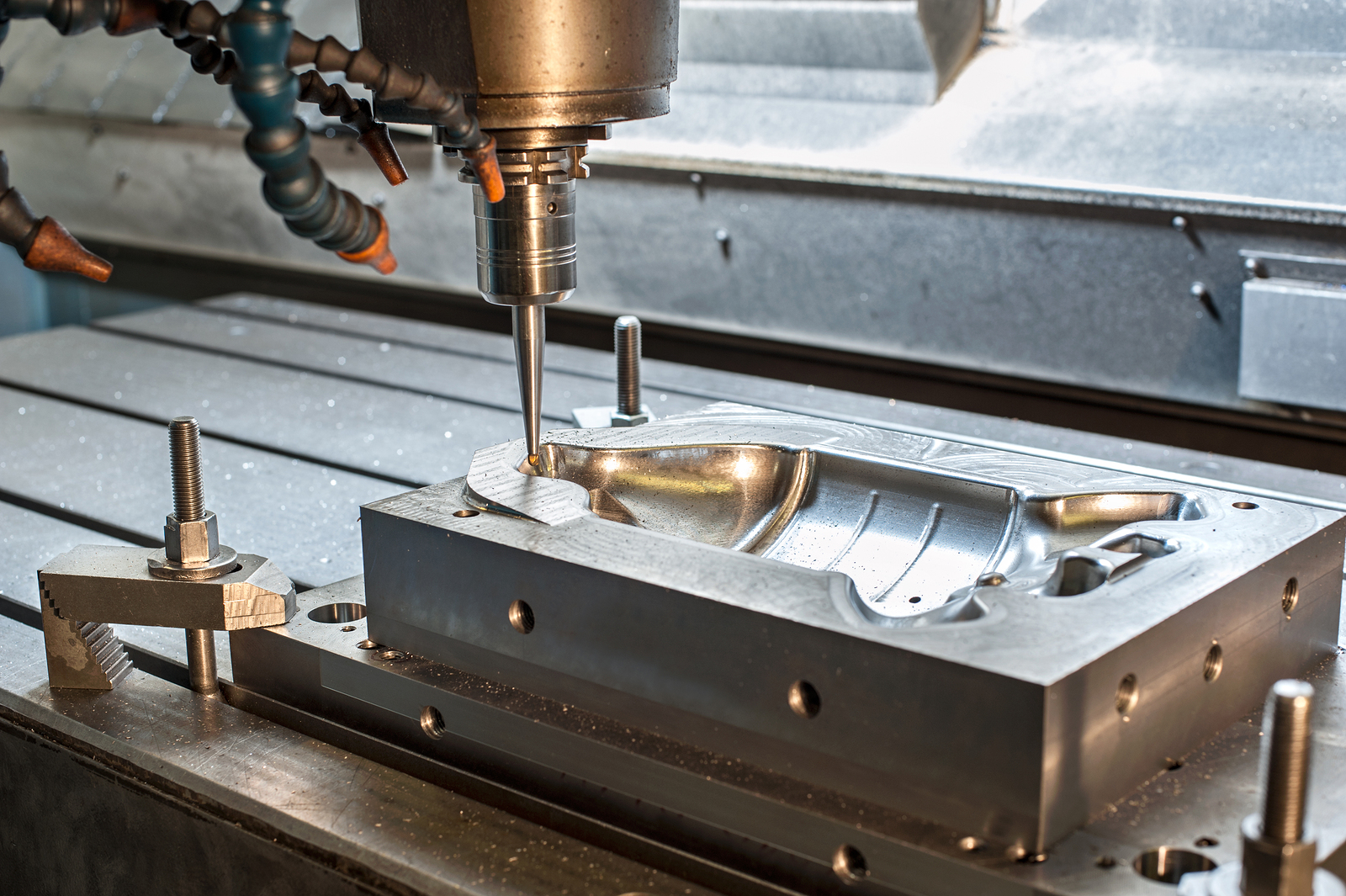
1. P20 Steel P20 is a pre-hardened mold steel. Due to its wide range of applications and relatively excellent machinability, it is one of the steels that is first introduced in almost all plastics engineering textbooks. It is one of the P-series mold steels, which belongs to the chromium-molybdenum-based low-carbon tool steel category.
 Advantages:
- Wide range of applications: Can be used for mold bases, cavities, cores, sliders, etc.
- Superior machinability compared to many tool steels.
- Brinell hardness is 65-75% of that of 160# B1112 steel.
- Relatively lower cost compared to other tool steels.
- No heat treatment required.
Disadvantages:
- Lower wear resistance than other tool steels.
- Lower hardness than other commonly used tool steels.
- Shorter mold life when molding highly abrasive, high-temperature plastics.
Optimal application: Suitable for small to medium batch production of plastics with low wear resistance requirements.
P20 is the best tool steel for initial product testing, typically used in 1-4 cavity, single-sided cold runner molds. P20 is the most commonly used plastic material for molding, including polypropylene, polyethylene, and their related materials.
P20 steel mold inserts used for prototyping medical device components.
2. H13 Tool SteelH13 tool steel is a chromium-molybdenum-vanadium steel, a staple material in the mold industry. It is renowned for its excellent toughness, wear resistance, and resistance to thermal fatigue, and is commonly used in high-volume mold making and molding of various abrasive plastics. H13 belongs to the H (hot-worked) series of tool steels.
Advantages:
- Excellent wear resistance
- Hardness: Typical 35 – 42 HRC, 50 – 60 HRC after heat treatment
- H13 remains stable under sustained temperature fluctuations, such as heating and cooling cycles in molds
- Polishable
Disadvantages:
- High cost
- Difficult to machine
- Brinell hardness is only 45% of 160 B1112 steel
- H13 is prone to rust, requiring surface treatment and mold maintenance to maintain quality.
Best Uses:Suitable for high-volume molding of engineering plastics, abrasives, or high-temperature plastics, and molds that must withstand high-temperature fluctuations.
H13 is an ideal steel for high-volume applications. It is an ideal upgrade from P20 or aluminum molds. If the mold needs to run millions of cycles, or if the parts are made of high-temperature plastic or filled plastic, then H13 is a suitable steel choice.
3. S7 Tool SteelS7 is a tool steel renowned for its unique combination of toughness, impact resistance, and high strength. Suitable for both cold and hot working, it is an extremely versatile steel. S7 belongs to the S (impact-resistant) series of tool steels.
Advantages:
- Impact resistance
- Toughness
- Hardness
- Typical value: 48 – 58 HRC
- Most commonly used hardness: 54 – 56 HRC
- Can be polished to extremely high surface finishes
Disadvantages:
- High cost
- Machining performance
- Brinell hardness 50% – 55% of B1112 steel (160)
Optimal applications:Mold components requiring high impact resistance and durability, such as sliders and large mold components.
S7 steel is best suited for cavities, cores, sliders, or other mold components requiring high surface finish, impact resistance, and toughness. It is not a steel used to manufacture entire mold faces or mold bases, but it is a good choice for high-volume production mold components.
4. 420 Stainless Steel420 stainless steel is a martensitic stainless steel with excellent wear and corrosion resistance, as well as superior polishing properties. It can be effectively textured and mirror-polished, making it ideal for a variety of high-value applications.
Advantages:
- Corrosion Resistance: Excellent corrosion resistance after hardening
- Can be polished, textured, etched, and mirror-polished
- Hardness and Strength
Disadvantages:
- High cost
- Machinability: Difficult to machine due to its high wear resistance and high hardness
- British hardness is approximately 45%-50% of 160 B1112 steel
Optimal Uses: Suitable for molds in corrosive environments or products requiring high-quality surface finishes.
420 stainless steel is ideal for high-value applications such as the medical industry, consumer electronics, and automotive markets. Due to its higher cost, it is difficult to justify using 420 for all mold manufacturing; however, it is often the best choice when molding highly corrosive materials or for lens applications.
5. Copper AlloysCopper alloys, such as beryllium copper, have better thermal conductivity than common tool steels. These alloys are primarily used in the mold industry to shorten production cycles for high-volume molds.
Advantages:
- Thermal Conductivity: Significantly shortens production cycles
- Surface Finish: Allows for polishing and texturing
- Machinability
Disadvantages:
- Low Strength: Less strong than tool steel
- High Cost
Optimal Uses:Ideal for molds requiring rapid heat conduction and high-quality surface finishes, such as those in the electronics industry.
Copper alloy cores are common in high-volume molds with extremely short production cycles. Their ease of machining allows for complex core designs. This makes them ideal for high-volume mold cores, fully utilizing their thermal conductivity, but this is almost exclusively limited to general-purpose plastics. Copper alloy cores are most commonly found in molds for injection molding polypropylene and polyethylene series plastics.
6. D2 Tool SteelD2 tool steel is a high-carbon, high-chromium tool steel known for its high wear resistance and abrasion resistance. D2 is a cold-work steel with high stability and resistance to deformation at high temperatures.
Advantages:
- Wear Resistance: Excellent wear resistance, suitable for high-wear applications.
- Hardness: Retains hardness at relatively high temperatures.
- Stability: Good dimensional stability during heat treatment.
Disadvantages:
- Toughness: Lower than other tool steels, prone to cracking under high stress.
- Machinability: Due to its high wear resistance and high hardness, it is more difficult to machine.
- 27% of the Brinell hardness of B1112 steel (160).
- Corrosion Resistance: Lower corrosion resistance compared to stainless steel.
Optimal Uses:D2 is ideal for molds requiring high wear resistance, especially for machining abrasive materials. It is less suitable for high-impact or high-temperature applications.
D2 is an ideal material for a variety of applications beyond traditional injection molds, such as molds, cutting tools, and punches. D2 is particularly suitable for high-wear applications, such as metal injection molding (MIM) or highly filled polymers used in injection molding.
7. 4140 Alloy Steel4140 alloy steel is a chromium-molybdenum medium-carbon steel with high toughness and good fatigue strength. This steel combines good wear resistance, strength, and toughness, making it widely applicable. Heat treatment is usually required to achieve the properties needed for molds.
Advantages:
- Versatile Applications: Balanced performance suitable for a variety of applications.
- Toughness and Strength: Retains good toughness and tensile strength even after heat treatment.
- Generally Lower Cost.
- Machining Performance: Better machinability than many high-carbon or high-alloy steels.
- 66% of the Brinell hardness of B1112 steel (160).
Disadvantages:
- Heat Treatment Sensitivity: May require precise heat treatment to achieve the desired properties.
- Wear Resistance: Slightly inferior to more specialized tool steels such as D2.
- Corrosion Resistance: Lower corrosion resistance compared to stainless steels such as 420 stainless steel.
- Extremely difficult to weld, resulting in slow and costly repairs.
Optimal Applications:4140 alloy steel is an ideal choice for molds, offering a balance of strength, toughness, and wear resistance. It is particularly suitable for molds that will not come into contact with highly abrasive materials or extreme temperatures.
4140 alloy steel can be considered a competitor to P20, but it excels in applications where impact strength and cost are key drivers. However, if the application requires better surface finish or dimensional stability at high temperatures, P20 is the better choice. For small to medium batch general-purpose plastics, 4140 can be an ideal alternative to P20, effectively reducing mold costs.
 Conclusion: Mold Steel
 Selecting the right mold steel for each mold requires extreme care and attention to detail. Investing time upfront in application development and accurately understanding the expected results is crucial. P20, H13, S7, 420 stainless steel, and copper alloys each have their place in the mold industry, with their own advantages and disadvantages. Understanding each material and its applications helps mold makers ensure that every project is efficient, durable, and cost-effective.
At ZunKai, we use H13 and P20 mold steels, which possess the performance required for molding the most demanding plastics. Our mold steels are compatible with existing shop floor operations, have the durability required for mass production, and remain stable in standard mold-making operations such as machining and EDM. Click here to learn more about our mold steels.


