Alloy steel refers to steel that, in addition to iron and carbon, contains other alloying elements—such as chromium, nickel, molybdenum, manganese, or vanadium.
Alloy steel refers to steel that, in addition to iron and carbon, contains other alloying elements—such as chromium, nickel, molybdenum, manganese, or vanadium. These alloying elements are added in controlled proportions (ranging from a few percent up to 8% or even higher) with the specific aim of enhancing the steel's overall performance characteristics. For instance, the addition of chromium and nickel can boost the steel's strength and corrosion resistance, while the inclusion of molybdenum and vanadium serves to improve its hardenability and wear resistance. Indeed, one standard definition of alloy steel describes it as "steel produced by alloying iron and carbon with other elements—such as chromium, nickel, or vanadium—specifically to enhance its strength and durability."
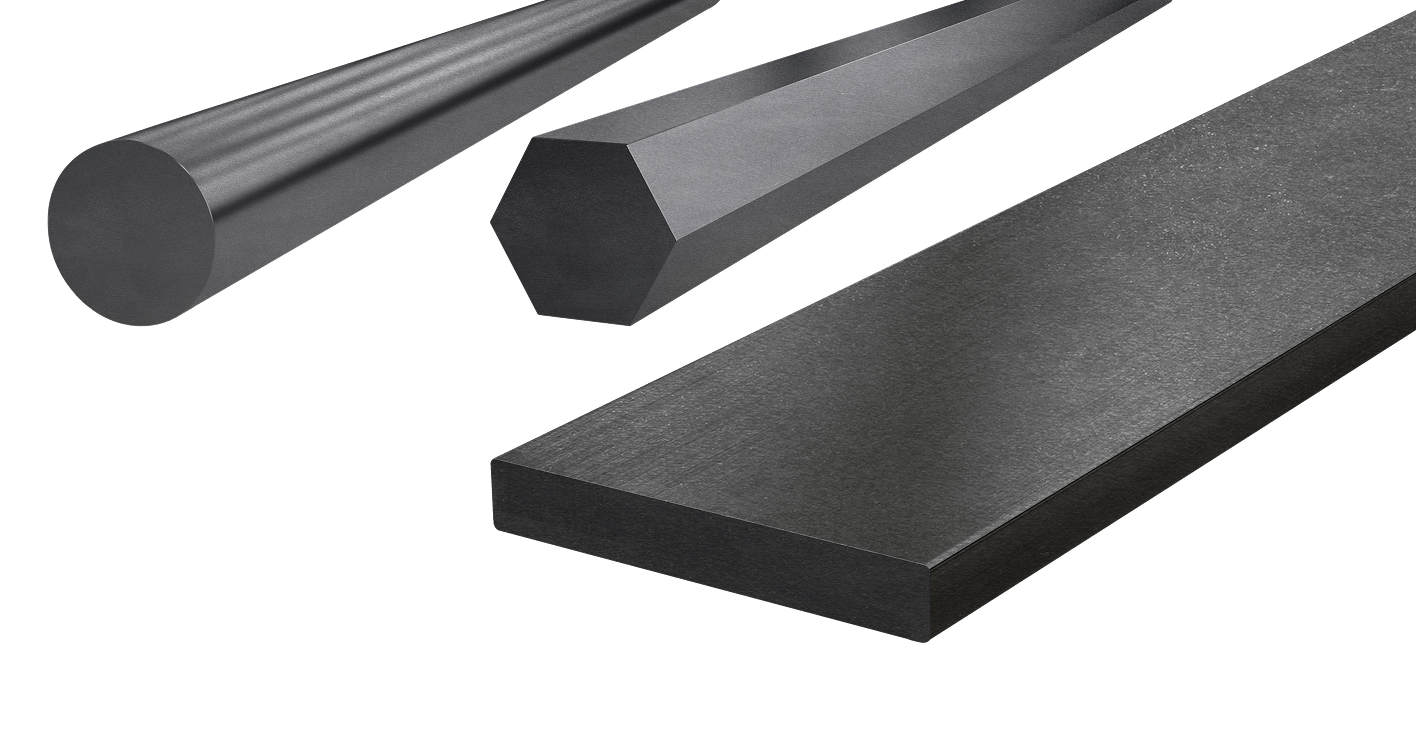
Alloy steel bars are available in a wide array of specifications and shapes—including round bars, square bars, hexagonal bars, and flat bars—and are primarily utilized in applications where exceptional toughness, strength, and wear resistance are critical requirements. Typical alloy steel grades include EN24 (a nickel-chromium-molybdenum steel), 4130/4140 (chromium-molybdenum steels), and chromium-manganese steels such as 42CrMo4. These bars typically undergo surface hardening (carburizing) or quenching and tempering treatments to achieve extremely high surface hardness while simultaneously maintaining excellent toughness in the core. Renowned for their exceptional robustness and durability, alloy steel bars are widely employed in the manufacture of automotive components (such as gears, shafts, and axles), heavy machinery parts, construction equipment, and high-pressure system assemblies.
The Main Advantages of Alloy Steel Bars:
1.Enhanced Mechanical Properties:
Compared to ordinary carbon steel, alloying elements can significantly boost a material's tensile strength, toughness, and fatigue life.
2.Corrosion and Heat Resistance:
Specific types of alloy steels retain their resistance to oxidation and softening even in high-temperature environments, making them highly suitable for engine components and various high-temperature applications.
3.Wear Resistance:
Alloy steels containing elements such as chromium or vanadium exhibit excellent resistance to wear and abrasion; furthermore, they can maintain high hardness through heat treatment processes, making them ideal materials for manufacturing tools and molds.
4.Wide Range of Grades:
From low-alloy steels (such as 4130) to high-alloy steels (such as stainless steel or tool steel), alloy steel bar products are available to suit virtually every field of application.
At ZunKai, we supply a wide variety of alloy steel bars, designed to precisely meet the diverse needs of industries across various sectors. Our product range encompasses round bars, square bars, flat bars, and hexagonal bars in a comprehensive array of popular alloy grades. We utilize only premium-quality alloy steel ingots as our raw materials and implement rigorous quality control measures throughout our operations. Indeed, ZunKai strictly adheres to ISO quality management protocols, thereby ensuring the consistent reliability of our materials and full traceability throughout the entire process.
Our expert team is also available to provide professional guidance on material selection. For instance, if your application demands exceptional toughness and machinability, we might recommend a nickel-chromium-molybdenum alloy steel; conversely, if your priority is high surface hardness, a chromium alloy steel or manganese alloy steel would be a more ideal choice. We maintain a readily available stock in various standard lengths and offer value-added services—such as cutting and heat treatment—tailored to meet specific client requirements. Thanks to our extensive and diversified inventory system, we are fully equipped to handle orders of any scale—whether you require a small-batch purchase or a large-volume bulk order, we can fulfill your needs with ease and efficiency. We invite you to contact ZunKai at any time to acquire high-quality alloy steel bars that will help your products achieve extended service life and superior performance.
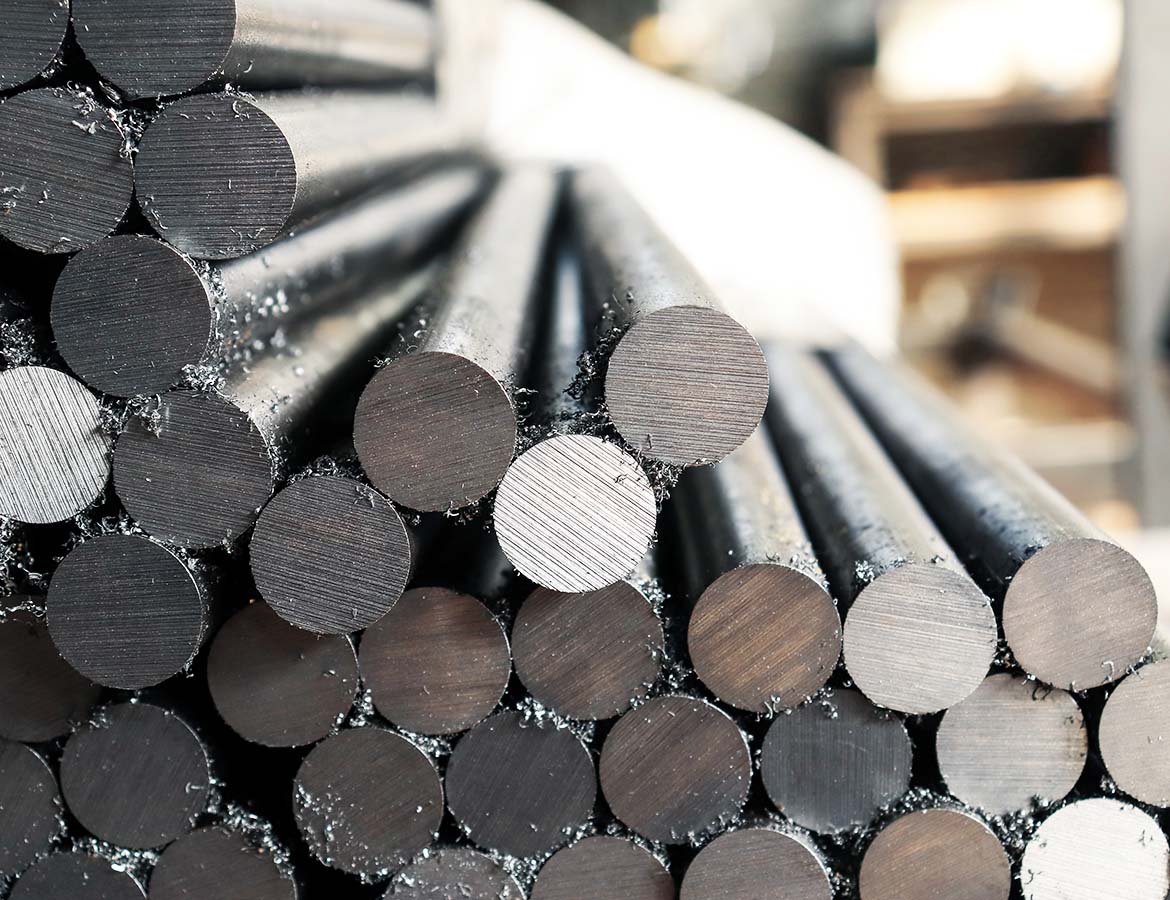
Tool Steel: Tough Alloys for Industrial Tooling
Distinguished by their exceptional strength, durability, and versatility, alloy steel bars have become an indispensable material in modern manufacturing. Unlike standard carbon steel, alloy steel incorporates additional elements such as chromium, nickel, molybdenum, manganese, and vanadium. These elements are introduced in precise proportions—ranging from minute percentages up to 8% or even higher—specifically to impart distinct mechanical and chemical properties to the steel. For instance, the addition of chromium and nickel significantly enhances the material's strength and corrosion resistance, while molybdenum and vanadium improve its hardenability and wear resistance. Fundamentally, alloy steel is a composite material formed by blending iron and carbon with specific alloying elements; it is stronger and more durable than ordinary steel, making it capable of withstanding a wide range of demanding operating environments.
These steel bars are available in a diverse array of specifications and shapes, including round, square, hexagonal, and flat profiles. They are frequently utilized in industries where component strength and wear resistance are critical requirements. Common alloy steel grades include EN24, renowned for its high toughness (a nickel-chromium-molybdenum alloy); the chromium-molybdenum alloys 4130 and 4140; and 42CrMo4, a chromium-manganese alloy exhibiting excellent wear resistance. To further optimize performance, most of these steel bars undergo additional heat treatment processes, such as quenching and tempering or surface hardening. The hardened surface layer endows the material with superior wear resistance, while the relatively softer inner core retains sufficient ductility to effectively absorb impact loads. Consequently, alloy steel bars represent an ideal choice for critical applications, finding widespread use in automotive manufacturing (e.g., gears, shafts, axles), heavy industrial machinery, construction equipment, and various systems operating under high-pressure or high-temperature conditions.
Applications of Tool Steel:
1.Cutting and Forming Tools:
End mills, drill bits, saw blades (High-speed steel exhibits excellent resistance to heat and abrasive wear).
2.Hot and Cold Work Dies:
Metal forging dies, extrusion dies, stamping dies (Tool steel retains its strength even under conditions involving heat or impact).
3.Mold Manufacturing:
Plastic injection molds and die-casting molds (Requiring excellent dimensional stability and polishability).
4.Hand Tools:
Heavy-duty chisels, hammers, punches (Benefiting from their high hardness and impact resistance).
One of the primary advantages of alloy steel bars lies in their significantly enhanced mechanical properties. Compared to ordinary carbon steel, these bars exhibit substantial improvements in tensile strength, toughness, and fatigue life. Thanks to these characteristics, they serve as an ideal choice for manufacturing a wide array of components—particularly those required to withstand high mechanical stress, repetitive loading, and harsh environmental conditions. Beyond their exceptional mechanical strength, certain alloy steels also possess superior resistance to corrosion and high temperatures. This attribute is especially critical in applications such as engine components, steam turbines, or piping systems, where materials must resist oxidation and maintain their structural integrity within high-temperature environments.
Wear resistance constitutes another core advantage of alloy steel, a benefit that is particularly pronounced when the steel contains alloying elements such as chromium or vanadium. These elements effectively boost the steel's hardness and its ability to resist abrasion, making alloy steel the preferred material for manufacturing various tools, molds, and industrial equipment subject to prolonged friction or impact loading. Furthermore, the hardness or tensile strength of alloy steel bars can be precisely controlled through heat treatment processes, thereby enabling them to be flexibly tailored to meet a wide spectrum of application requirements.
Alloy steel bars offer an exceptionally rich and diverse array of grades and compositional combinations to choose from. Low-alloy steels—exemplified by the 4130 grade—are highly favored for their excellent machinability and the perfect balance they strike between strength and toughness. Conversely, high-alloy steels—including specific tool steels and stainless steel variants—stand out for their superior corrosion resistance, making them the ideal choice for a wide range of specialized applications. Thanks to this extensive coverage of available grades, engineers and designers can consistently pinpoint the exact material that best aligns with their project's specific requirements—whether the project involves structural supports, mechanical components, or critical automotive parts with extremely demanding performance criteria.
Located in Jinan, ZunKai specializes in the manufacturing and distribution of high-quality alloy steel bars, and is dedicated to providing customized solutions tailored to the specific needs of various local industries. Our product line encompasses a diverse range of profiles—including round bars, square bars, flat bars, and hexagonal bars—and offers a comprehensive selection of mainstream alloy grades for our clients to choose from. We maintain a large and diversified inventory of stock year-round, ensuring that we can efficiently fulfill all types of orders—from small-batch prototypes to large-scale bulk procurement requests—with ease and reliability.
Our manufacturing process begins with the rigorous selection and procurement of high-quality alloy steel ingots—all sourced from trusted, renowned steel mills. At every stage of production, we implement extremely stringent quality inspections to ensure that our final products fully comply with all exacting technical specifications and standards. Before leaving our facility, every batch of product undergoes comprehensive testing for both chemical composition and mechanical properties, thereby guaranteeing that all parameters align perfectly with industry standards and our customers' specific requirements. ZunKai’s operations strictly adhere to ISO-certified processes, enabling us to maintain rigorous quality control and material traceability throughout the entire production and supply chain.
In addition to supplying standard-specification steel bars, our team provides expert technical support to assist clients in selecting the most suitable alloy steels for their specific applications. If you are seeking steel that offers a combination of exceptional toughness and excellent machinability, we might recommend nickel-chromium-molybdenum alloys such as EN24. Conversely, for projects demanding superior surface hardness and wear resistance, chromium-based or manganese-based alloys may prove to be the more ideal choice. Furthermore, we offer a range of value-added services—including cutting bars to specific lengths on demand, as well as heat treatments such as annealing, normalizing, and tempering—designed to meet our clients' diverse and specific requirements regarding material properties.
ZunKai stands out from the competition thanks to our unwavering commitment to customer satisfaction and our exceptional ability to deliver customized solutions. Our team of seasoned professionals possesses a deep understanding of the challenges facing various industries, enabling us to provide expert guidance that optimizes material performance while ensuring cost-efficiency. Whether you are a small-scale fabricator or a large-scale OEM manufacturer, our products are meticulously designed and manufactured to help you achieve your business objectives through consistently superior quality, exceptional durability, and timely, reliable supply services.
In summary, alloy steel bars offer a versatile and high-performance solution for a wide range of manufacturing applications, perfectly suited for scenarios demanding rigorous standards of material strength, reliability, and adaptability. With their outstanding mechanical and thermal properties—coupled with excellent wear resistance and machinability—alloy steels have become an indispensable material across numerous industries. ZunKai remains steadfast in its commitment to serving these sectors, continuously supplying top-tier alloy steel bars to meet the evolving and diverse needs of the manufacturing landscape.
For more information or to request a quotation, please contact ZunKai. Let us assist you in finding the perfect alloy steel solution for your next project—whether you require standard steel grades or custom-specified products, our extensive expertise, ample inventory, and superior service system ensure that we deliver exactly what you need, precisely when you need it.


