The sharp rise in steel prices is the result of a combination of factors, which not only affect the price trend of the steel market but also have a profound impact on the operation model and development direction of the steel industry.
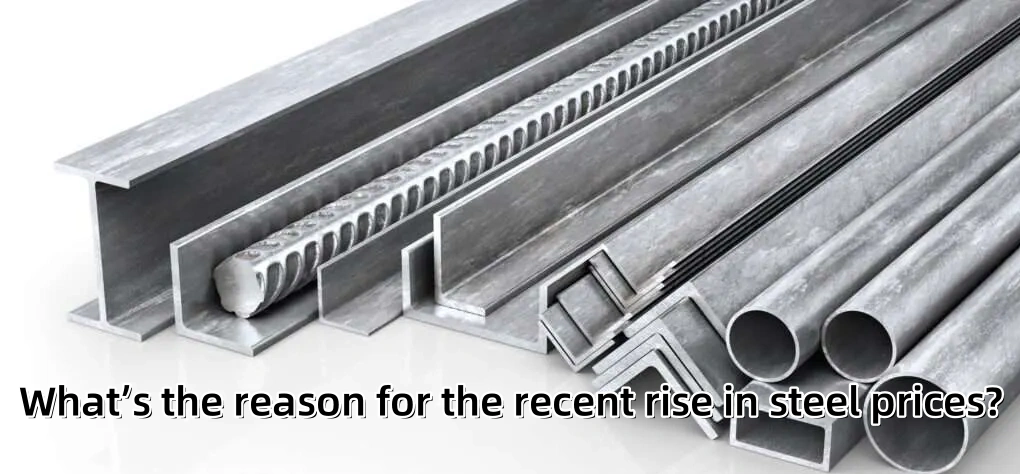
Since the end of June 2025, national steel prices have continued to rise, marking a period of rapid growth. Market monitoring data shows that by the end of July, the average national steel price had increased by 6.5% compared to the end of June; during the same period, the closing price of the main rebar contract increased by approximately 4.2%. Why has the national steel price risen so rapidly recently? Let's analyze several factors.
1. Rising Raw Material CostsFluctuations in iron ore and coke prices directly impact steel costs. In recent years, global iron ore supply has been tight, and prices have continued to climb, with increases exceeding those in steel prices. This is due to factors including anti-involutionary policies, public opinion, and market speculation, but more importantly, market fundamentals. The initial rise in smelting raw material prices provided the foundation and support for the subsequent rise in steel prices.
2. Strengthening Environmental Protection PoliciesTo address climate change and reduce pollution, governments around the world have introduced stricter environmental regulations. These policies require steel companies to adopt more advanced environmental technologies, increasing operating costs. Furthermore, some high-polluting and energy-intensive steel mills have been forced to reduce production or close, reducing market supply and further driving up steel prices.
3. Policy SupportTo address the deteriorating international trade environment, particularly the high tariffs imposed by the Trump administration, the market generally expects Chinese policymakers to increase policy support in the second half of the year. This includes more proactive fiscal policies, looser monetary policies, and more optimized real estate regulation policies. For example, they will increase and accelerate the release of fiscal funds, such as bonds, in the second half of the year to promote the start of more construction projects; continue to lower reserve requirement ratios and interest rates to provide more low-cost liquidity to the market; and fully lift home purchase restrictions, further lowering the threshold and cost of home purchases. These improved policy approaches are bound to increase steel demand and boost the confidence of steel market participants.
4.Growing Market DemandWith the global economic recovery, demand for steel has surged in industries such as construction, automotive, and machinery manufacturing. Driven particularly by infrastructure construction, real estate, and manufacturing, demand for steel continues to rise, leading to price increases due to the supply-demand imbalance.
SummaryThe sharp rise in steel prices is the result of a combination of factors. These factors not only influence steel market price trends but also have a profound impact on the steel industry's operating model and development direction. Steel companies need to closely monitor market trends and flexibly adjust their operating strategies to adapt to the ever-changing market environment.


